
The Summer We Almost Lost Our Eyes on the Ocean
Posted by Bill Davis on Jul 25th 2026
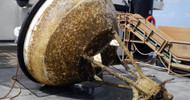
Every hurricane forecast, marine heatwave warning, and coastal flooding alert traces back to instruments most people will never see. For the past decade, one of the most important sets of those instruments has been the Ocean Observatories Initiative (OOI), a network of more than 900 sensors moored, cabled, and floating across the Atlantic and Pacific, quietly measuring the ocean around the clock.
This summer, the Trump administration nearly shut it down.
On April 24, 2026, Trump fired all 22 members of the National Science Board, the independent body that oversees the NSF, without public explanation. Weeks later, the NSF moved to pull OOI's instruments out of the water entirely: a network designed to run for 25 to 30 years, headed for what the agency itself called a "descoping" after just ten years. Recovery crews began hauling equipment out of four of the network's five active monitoring arrays on May 21.
Two months later, the network is still there. Here's what happened in between, and why it matters to anyone who cares about the ocean, us included.
- OOI is a $368 million NSF-funded network of 900+ instruments (about $48 million a year to operate), running continuously since 2016 and built to last 25 to 30 years.
- It's the U.S.'s primary system for tracking the Atlantic Meridional Overturning Circulation (AMOC), the ocean current that keeps Northern Europe from a much colder climate.
- The Trump administration fired the NSF's entire independent oversight board on April 24, 2026, then moved to dismantle OOI within weeks, with no public technical justification for retiring a 25-to-30-year network after a decade.
- The bipartisan Saving the OOI Act passed the Senate by unanimous consent on June 22, 2026; the NSF reversed its decision the very next day.
- We've mentioned some of the researchers behind this fight before: Oregon State's CEOAS and Woods Hole Oceanographic Institution (WHOI), two of the non profit partners we profiled and support.
What OOI Actually Does
OOI isn't one instrument. It's five arrays' worth: the Global Station Papa Array in the Gulf of Alaska, the Coastal Endurance Array off Oregon and Washington, the Global Irminger Sea Array off Greenland, and the Coastal Pioneer Array off North Carolina, plus a cabled seafloor observatory. Together they track marine heatwaves, ocean acidification, coastal flooding risk, and AMOC, the current system oceanographers watch most closely for signs of slowing.
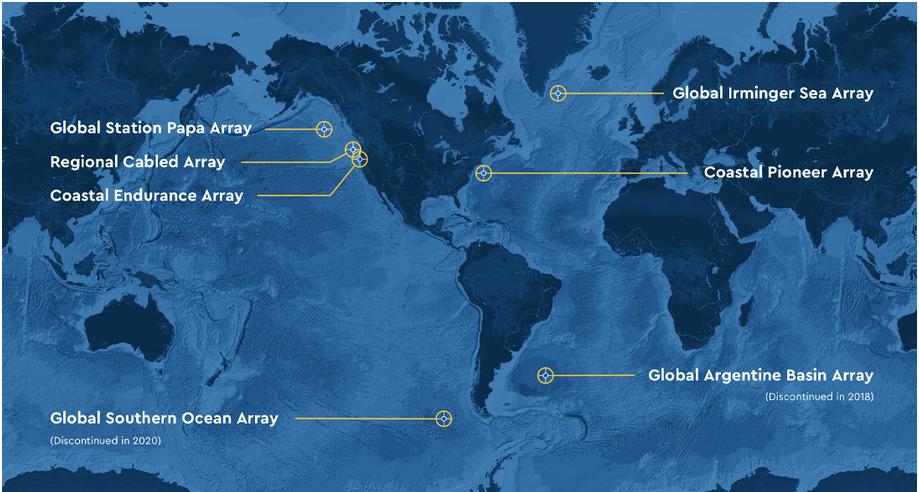
Source: Ocean Observatories Initiative (oceanobservatories.org)
We sell sunscreen and beach towels, not satellites. But everything we know about reef-safe ingredients, warming water, and where the next rough beach season is headed starts with data like this. As Boston College marine biogeochemist Hilary Palevsky, whose own research draws on OOI's Irminger Sea and Station Papa arrays, put it, there's a real danger that we lose the ability to keep looking for long-term changes in the ocean. When the instruments go dark, so does the early-warning system the whole coastline depends on, including the beaches our products are made for.
How Fast It Almost Ended
The National Science Board exists specifically to weigh in before decisions like this one get made. The Trump administration fired all 22 of its members on April 24, 2026, with no public explanation, a move confirmed and fact-checked across multiple outlets. Less than a month later, on May 21, the NSF announced it would remove "all in-water infrastructure" from four of OOI's five arrays, a process it termed a "descoping." NSF spokesman Michael England said the move aligns with the agency's "wider strategy to have a nimbler approach to prioritizing support for evolving scientific priorities." Whatever that means in practice, it applied to a network with 15-plus years of useful life left in it, and recovery crews were already in the water within weeks.
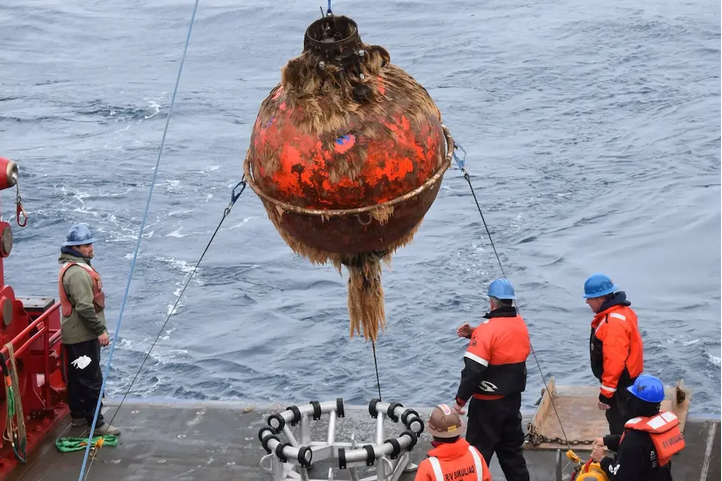
Source: Yale Environment 360 (e360.yale.edu)
The Pushback
Scientists were direct about what was at stake. Plymouth Marine Laboratory's Helen Findlay put it plainly: "Without them, we are effectively choosing to navigate an increasingly volatile ocean with diminishing visibility." Craig McLean, a former NOAA chief scientist, argued the decision reflected a basic misunderstanding of what long-term ocean monitoring is for, one that sets the U.S. back at a moment when other countries are investing more in ocean science, not less. In Washington, Democratic members of the House Science Committee went further, calling the plan "expensive, destructive, and illegal," adding that the legal problem mattered as much as the practical one. And Mark Spalding of The Ocean Foundation rallied his network in DC and beyond.
Congress Steps In

Photo: Tom Fisk / Pexels
On June 22, 2026, the Senate passed the Saving the OOI Act by unanimous consent: no floor fight, no party-line vote, just agreement that the decision didn't hold up. The bill, introduced by Senators Jeff Merkley (D-Oregon) and Lisa Murkowski (R-Alaska) and cosponsored by senators from both parties, bars federal funds from being used to decommission or descope OOI until the NSF completes a formal review with real stakeholder input. The next day, the NSF said it would resume standard operations, including planned maintenance, and begin working out how to redeploy the instruments already pulled from the Endurance Array.
The Bottom Line
None of this makes the ocean any calmer. But at least the country will be able to see the next marine heatwave coming, especially with El Nino rearing its head, instead of finding out from the fish. For beachgoods.com, that matters beyond politics. We can't talk honestly about reef-safe products or ocean health if the instruments that actually measure ocean health get switched off first.
Frequently Asked Questions
What is the Ocean Observatories Initiative?
The Ocean Observatories Initiative (OOI) is a National Science Foundation-funded network of more than 900 ocean sensors across five arrays in the Atlantic and Pacific. It has operated continuously since 2016, costs about $368 million to build and roughly $48 million a year to run, and was designed to last 25 to 30 years. It tracks marine heatwaves, ocean acidification, coastal flooding risk, and the Atlantic Meridional Overturning Circulation (AMOC).
Did the Trump administration try to shut down the Ocean Observatories Initiative?
Yes. After firing all 22 members of the National Science Board on April 24, 2026, the National Science Foundation announced on May 21, 2026 that it would remove instruments from four of OOI's five monitoring arrays, a process it called "descoping." Recovery crews began pulling equipment out of the water that same day.
What is the Saving the OOI Act?
The Saving the OOI Act is a bipartisan bill introduced by Senators Jeff Merkley (D-Oregon) and Lisa Murkowski (R-Alaska) that bars federal funds from being used to decommission or descope the Ocean Observatories Initiative without a formal NSF review and stakeholder input. It passed the Senate by unanimous consent on June 22, 2026.
Why does AMOC monitoring matter?
The Atlantic Meridional Overturning Circulation (AMOC) is the ocean current system that carries warm water north and helps keep Northern Europe's climate mild. The Ocean Observatories Initiative is the primary U.S. system tracking AMOC, and scientists rely on that data to monitor whether the current is slowing.
Is the Ocean Observatories Initiative still operating?
Yes. After the Senate passed the Saving the OOI Act on June 22, 2026, the NSF reversed its removal plan the next day, resumed standard maintenance across the network, and began working out how to redeploy the instruments already removed from the Endurance Array.
We can't sell reef-safe gear without an ocean worth protecting. Read more about who beachgoods.com backs.
See Our Commitment → | Shop beachgoods.com